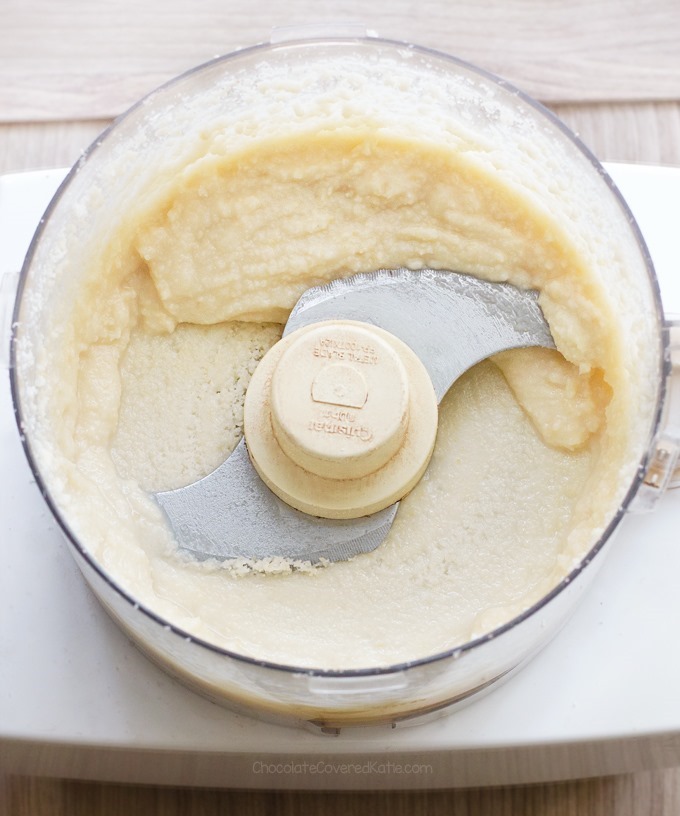
Unlock the Secret to Heavenly Coconut Butter: Homemade, Melt-in-Mouth Smooth, and Better Than Store-Bought!
Imagine a creamy, dreamy spread that melts delicately on your tongue, tasting more like a rich, buttery shortbread than plain coconut. This isn't a fantasy; it's the sublime reality of homemade coconut butter. For too long, this culinary gem has been relegated to expensive health food store shelves, but we're here to tell you there's a better way. Learning
how to make coconut butter at home isn't just easy – it's a revelation that will transform your kitchen and your taste buds. Get ready to save a significant amount of money and discover a flavor and texture that far surpasses anything you've ever bought in a jar.
What Exactly is Coconut Butter? Separating Fact from Coconut Fiction
Before we dive into the delicious details of
how to make coconut butter, let's clear up some common confusion. With an abundance of coconut products on the market – milk, cream, oil, chips, and more – it's easy to get them mixed up. So, what is coconut butter?
Think of coconut butter in the same vein as your favorite nut butter, like peanut or almond butter. While nut butters are made by grinding nuts, coconut butter is made by grinding the dried flesh of the coconut until its natural oils are released, creating a wonderfully smooth, rich, and creamy spread. It's essentially a pureed form of coconut meat.
Unlike coconut oil, which is just the extracted fat, coconut butter contains all the fiber, protein, and nutrients of the whole coconut flesh. This makes it a more wholesome and fulfilling ingredient. It’s naturally dairy-free, refined sugar-free, and 100% vegan, making it a superstar in various dietary plans. Its inherent sweetness and creamy consistency mean that, for many, it needs no additional sweeteners at all.
Why Homemade Coconut Butter is a Game-Changer: Taste, Texture, and Tremendous Savings
If you’ve ever fallen victim to the irresistible allure of coconut butter from the store, you know it comes with a hefty price tag. A single small jar can easily set you back $10 or more. Indulge regularly, and your grocery bill can skyrocket! This is precisely where the magic of homemade comes in. By learning
how to make coconut butter yourself, you can enjoy the same incredible product for a mere fraction of the cost.
But beyond the significant financial savings, there are compelling reasons why homemade truly is superior:
1.
Unrivaled Freshness and Flavor: When you make it yourself, you're getting the freshest possible product. The vibrant, sweet, and nutty notes of coconut are at their peak, creating a depth of flavor that store-bought versions often struggle to match.
2.
Melt-in-Your-Mouth Texture: The process of grinding shredded coconut at home yields an incredibly smooth, velvety texture that literally melts as soon as it touches your tongue. It’s an experience that’s often described as eating shortbread rather than straight coconut – a testament to its exquisite richness.
3.
Control Over Ingredients: With just one ingredient (which we’ll get to shortly!), you have complete control. No hidden preservatives, no unwanted additives, just pure coconut goodness. This is particularly important if you’re mindful of what goes into your body.
4.
It's Surprisingly Easy: The biggest misconception is that it’s difficult or time-consuming. On the contrary, with the right equipment, you can whip up a batch in as little as 10-15 minutes. It's an almost magical transformation to witness.
The difference in quality and cost is so striking that once you learn
Make Your Own Coconut Butter: Easy Recipe, Big Savings, Amazing Taste, you’ll never look back at those overpriced jars again.
The Simple Recipe: How to Make Coconut Butter at Home
Ready to embark on your homemade coconut butter journey? You’ll be amazed at how straightforward it is. Here’s everything you need to know to achieve that perfect, melt-in-your-mouth consistency.
Essential Equipment:
*
High-Speed Blender or Food Processor: This is the most crucial piece of equipment. A powerful high-speed blender (like a Vitamix or Blendtec) or a robust food processor is essential for breaking down the coconut into a smooth butter. While some have had success with smaller appliances like immersion blenders or Magic Bullets for tiny batches, results can vary due to lower power and friction. The more powerful your machine, the quicker and smoother your butter will be.
The Only Ingredient You Need:
*
Unsweetened Shredded Coconut: This is it – the sole ingredient! It’s important to use *regular*, unsweetened shredded coconut. Avoid "low-fat" or "reduced-fat" varieties, as they lack the natural oils necessary for the coconut to transform into butter. Similarly, avoid sweetened varieties unless you want a very sugary end product. Look for finely shredded or desiccated coconut for the best results.
Step-by-Step Instructions:
1.
Measure Your Coconut: For best results in most high-speed blenders or food processors, start with at least 12 ounces (about 3-4 cups) of shredded coconut. A larger quantity helps create more friction and heat, which is vital for releasing the oils.
2.
Add to Your Machine: Pour the shredded coconut directly into your high-speed blender or food processor.
3.
Begin Processing: Start processing on high. Initially, the coconut will look like a fine flour.
4.
Scrape Down the Sides: As the coconut starts to break down, it will cling to the sides of the bowl. Stop the machine every minute or two and use a spatula to scrape down the sides, pushing the coconut back towards the blades. This ensures even processing.
5.
Patience is Key: This process can take anywhere from 5 to 15 minutes, depending on the power of your machine and the amount of coconut. You'll observe distinct stages:
*
Flour: Finely ground coconut.
*
Clumpy Meal: The coconut will start to stick together in small clumps.
*
Paste: A thick, pasty consistency will emerge.
*
Butter: Finally, the oils will fully release, and the mixture will turn into a beautifully smooth, pourable (when warm) liquid butter. Keep blending until it reaches your desired silky smoothness.
Troubleshooting Tips for Success:
*
It's Not Getting Smooth! If your coconut seems reluctant to turn into butter after extended blending, or if it appears too dry, try adding 1-2 tablespoons of virgin coconut oil to the blender. Sometimes, certain bags of shredded coconut are drier than others, or your machine might need a little extra help to get the oils flowing.
*
Machine Overheating: If your blender or food processor starts to get very hot, turn it off and let it rest for 5-10 minutes. This prevents damage to your appliance and allows the motor to cool down.
*
Solid at Room Temperature: Remember, coconut butter is solid at room temperature but will soften and become spreadable when gently warmed. If you need it more liquid for a recipe, place the jar in a bowl of warm water for a few minutes. If it seems too dry when melting, stirring in a little extra coconut oil can help achieve a smoother consistency.
Once you master
how to make coconut butter, you'll find it incredibly simple. The single ingredient and short processing time make this an ideal DIY project for any kitchen. For more insights on the speed and simplicity, check out
Minute Coconut Butter: 1 Ingredient, Vegan, Endless Uses.
Unleash the Versatility: Creative Ways to Enjoy Your Homemade Coconut Butter
Now that you've got a jar of this heavenly homemade goodness, the possibilities are truly endless. Its rich flavor and creamy texture make it a fantastic addition to both sweet and savory dishes.
Here are some inspiring ideas:
*
Eat it Straight from the Jar: This is a classic for a reason! Grab a spoon and savor its melt-in-your-mouth deliciousness as a healthy snack or a quick treat.
*
Luxurious Frosting: Warm it gently until spreadable, then use it as a decadent, dairy-free frosting for cakes, cupcakes, or brownies. You can sweeten it lightly with maple syrup or a touch of vanilla extract if desired.
*
Creamy Smoothie Booster: Blend a spoonful into your morning smoothie or a banana "nice" cream for an extra boost of healthy fats, fiber, and an incredibly creamy texture.
*
Homemade Chocolate Coconut Butter: This is a game-changer! Gently warm your coconut butter, then stir in 1-2 tablespoons of cocoa powder (or cacao powder) and sweeten to taste with maple syrup or a dash of stevia. Pour into molds and chill for quick, delicious chocolate treats, or spread it onto toast.
*
Candy Molds: Pour slightly warmed, optionally sweetened coconut butter into silicone candy molds. Chill until firm for delightful, bite-sized coconut fat bombs.
*
Toast Topper: Spread it on toast, rice cakes, or crackers for a nourishing and flavorful snack. Add a sprinkle of sea salt for a sweet and salty kick.
*
Stir into Oatmeal or Yogurt: Elevate your breakfast by stirring a dollop of coconut butter into warm oatmeal or a bowl of dairy-free yogurt for added richness and flavor.
*
Energy Balls: Use it as a binder in no-bake energy balls or bars for a healthy, satisfying snack.
Storage: Store your homemade coconut butter in an airtight jar at room temperature for several weeks, or in the refrigerator for longer-term storage (it will become very firm when chilled).
Conclusion: Embrace the Homemade Revolution
Making your own coconut butter isn't just a cost-saving measure; it's an elevation of your culinary experience. The superior taste, the velvety smooth texture, and the sheer satisfaction of creating such a delicious product from a single ingredient are unmatched. Once you master
how to make coconut butter, you'll find yourself reaching for that homemade jar time and time again, enjoying its versatility and wholesome goodness in countless ways. Ditch the expensive store-bought versions and welcome this incredible, melt-in-your-mouth spread into your kitchen. Your taste buds (and your wallet) will thank you!