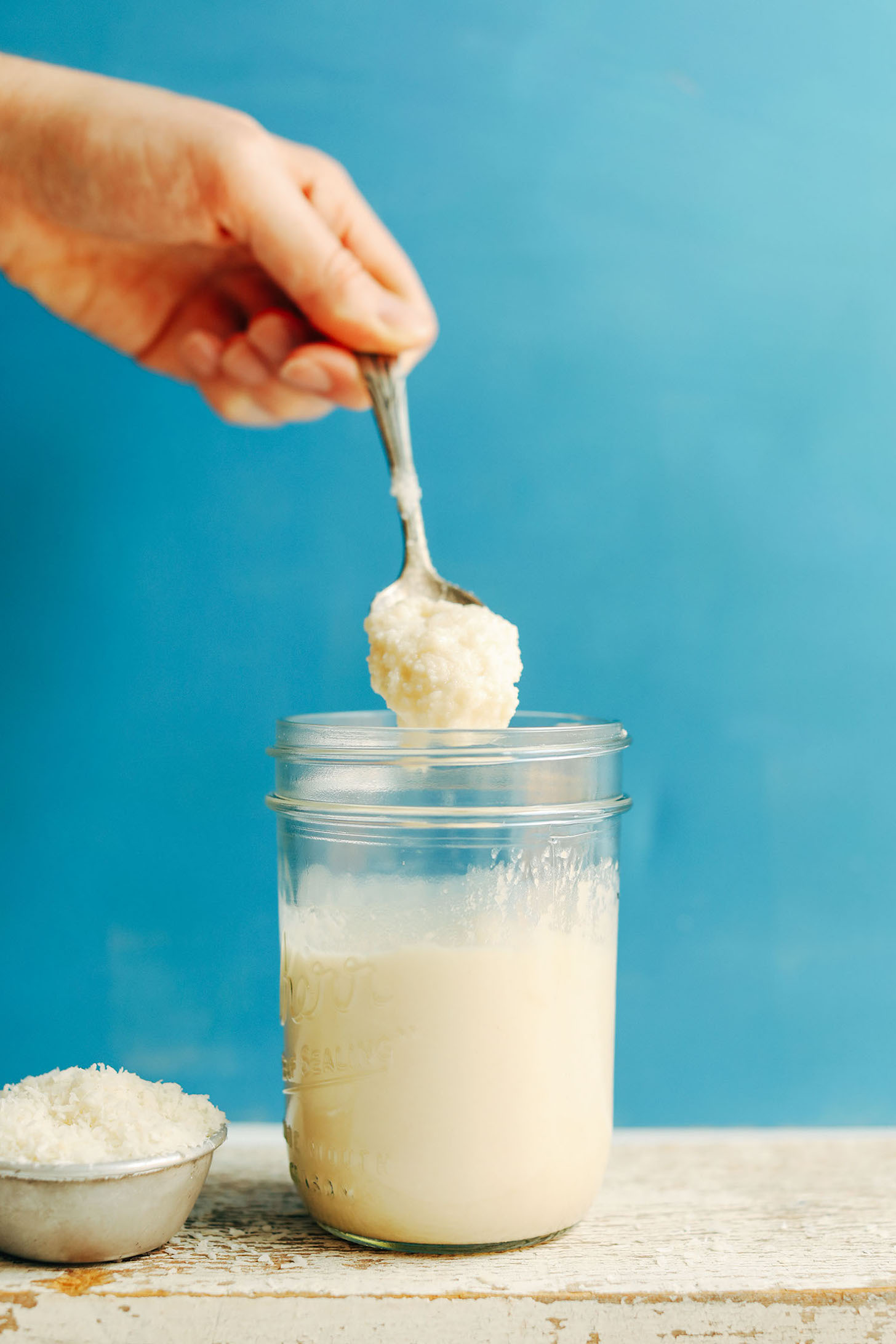
Minute Coconut Butter: Your 1-Ingredient, Vegan Gateway to Culinary Bliss
Imagine a food so exquisitely smooth it melts on your tongue, so subtly sweet it tastes like shortbread, yet incredibly versatile and made from a single, humble ingredient. This isn't a dream – it's homemade coconut butter, and mastering
how to make coconut butter at home will transform your pantry and your palate. Forget expensive store-bought jars; with this easy tutorial, you’ll unlock a world of delicious possibilities for a fraction of the cost, proving that some of the best things in life truly are simple.
What Exactly is Coconut Butter?
Before we dive into the "how-to," let’s clarify what coconut butter is, as it's often confused with other popular coconut products. Unlike coconut oil (which is just the fat extracted from the coconut meat) or coconut milk (a liquid emulsion), coconut butter is made by grinding the entire dried coconut flesh until it releases its natural oils and transforms into a thick, creamy, spreadable butter. Think of it much like a nut butter – such as peanut or almond butter – where whole nuts are processed into a paste.
The result is a rich, dairy-free, and naturally sweet spread that captures the full flavor and nutritional benefits of the coconut. It's 100% vegan, gluten-free, and refined sugar-free, making it a fantastic addition to almost any diet. Its texture is unique: solid at room temperature but becoming luxuriously smooth and spreadable when gently warmed.
Why Homemade Coconut Butter is a Game Changer
There are countless reasons to add homemade coconut butter to your culinary repertoire, far beyond just its delicious taste.
Significant Cost Savings
Perhaps the most compelling reason to learn
how to make coconut butter yourself is the dramatic cost difference. A small jar of store-bought coconut butter can easily set you back $10 or more. If you, like many, find yourself reaching for this delectable treat often, those costs quickly add up. By purchasing unsweetened shredded coconut in bulk, you can produce the same amount of high-quality coconut butter for a fraction of the price. This simple switch represents substantial savings in the long run without sacrificing an ounce of flavor or quality.
Unbeatable Flavor and Texture
Many describe homemade coconut butter as one of the most delicious foods they’ve ever tasted, even surprising those who claim not to be keen on coconut! Its smooth, melt-in-your-mouth texture is often compared to shortbread – a truly decadent experience. Making it yourself ensures you get that perfectly creamy consistency every time, free from any unwanted additives or stabilizers that might be found in commercial versions. The fresh, vibrant flavor of homemade simply can't be matched.
Complete Control Over Ingredients
When you make coconut butter at home, you know exactly what goes into it: just one ingredient! This means no hidden sugars, preservatives, or artificial flavors. This purity is especially important for those with dietary restrictions, allergies, or who simply prefer a cleaner diet. It allows you to tailor the sweetness or flavor profile to your exact liking, should you choose to add anything extra later.
Simplicity and Speed
Despite its luxurious outcome, the process of
how to make coconut butter is astonishingly simple and quick. With just one ingredient and typically under 15 minutes of active time, you can have a fresh batch ready to enjoy. It's a truly magical transformation that requires minimal effort for maximum reward.
The Single Ingredient Magic: How to Make Coconut Butter
Ready to experience this kitchen magic for yourself? Here's everything you need to know to whip up your own batch of creamy, dreamy coconut butter.
The Only Ingredient: Unsweetened Shredded Coconut
Yes, you read that right. You only need one ingredient:
unsweetened shredded coconut. This is crucial for optimal results.
*
Choose Wisely: Opt for regular, unsweetened shredded coconut. Avoid "low-fat" or "sweetened" varieties, as these often lack the necessary fat content or contain added sugars that can hinder the butter-making process. The natural oils in the full-fat shredded coconut are what create that luxurious, smooth texture.
*
Quantity Matters: For best results, use at least 12 ounces (about 3-4 cups) of shredded coconut. A larger volume helps the blades of your appliance catch the coconut more effectively, leading to a smoother, faster process. While some adventurous cooks have reported success with smaller batches using immersion blenders or personal blenders, a good quantity is generally recommended for consistent results.
Essential Equipment
To turn shredded coconut into butter, you'll need a powerful appliance:
*
High-Speed Blender: A high-speed blender (like a Vitamix or Blendtec) is ideal. Its powerful motor and sharp blades make quick work of grinding the coconut into a fine meal and then a smooth butter.
*
Food Processor: A sturdy food processor is also an excellent choice, often working just as effectively as a high-speed blender, though it might take a few minutes longer.
The Step-by-Step Process
The transformation from shredded coconut to creamy butter unfolds in a few simple stages:
1.
Load it Up: Pour your unsweetened shredded coconut into your high-speed blender or food processor.
2.
Begin Blending: Start processing on a low setting, gradually increasing the speed. Initially, the coconut will break down into a fine, dry meal. This might take a few minutes.
3.
Scrape and Continue: As it processes, you'll notice the coconut meal clinging to the sides of the bowl or blender jar. Stop occasionally to scrape down the sides with a spatula, ensuring all the coconut is continuously pulled into the blades. This step is key for an even consistency.
4.
The Transformation: Continue processing. Over the next 5-15 minutes (depending on your machine's power and the quantity), you'll observe distinct stages:
* The fine meal will start to clump together.
* It will then begin to look wet and paste-like as the natural oils are released.
* Finally, it will turn into a beautifully smooth, pourable, and slightly warm liquid butter.
5.
Patience is a Virtue: Don't be alarmed if it takes a little longer than expected. Keep scraping down the sides and continue processing. The magic *will* happen! You'll know it's ready when it has a silky, uniform consistency, similar to freshly melted white chocolate or a very smooth nut butter.
For those who prefer a visual demonstration, numerous online resources offer step-by-step videos that perfectly illustrate this fascinating process.
Troubleshooting Tips for Perfect Coconut Butter
Even with the best intentions, sometimes a batch of coconut can be a bit stubborn. Here are a couple of solutions for common issues:
*
Stubbornly Dry Coconut: If your coconut just doesn't seem to want to release its oils and remains too dry even after extended processing, try adding a tablespoon or two of **coconut oil** to the blender. This extra boost of fat can help kickstart the process and achieve that desired smoothness.
*
Solid at Room Temperature: Remember that coconut butter naturally solidifies at cooler room temperatures due to its high fat content. This is completely normal! If you need it in a liquid or spreadable form, gently warm the jar in a bowl of warm water or briefly microwave it until it softens. If it appears too dry even when warmed, stirring in a tiny bit more coconut oil can help restore its smooth, spreadable consistency.
Make Your Own Coconut Butter: Easy Recipe, Big Savings, Amazing Taste, and discover how effortless and rewarding this DIY project can be.
Unlocking Endless Culinary Possibilities with Coconut Butter
Once you’ve experienced the joy of creating your own homemade coconut butter, a world of culinary adventures opens up. Its creamy texture and mild, sweet flavor make it incredibly versatile.
Sweet Indulgences
*
Straight from the Jar: The simplest and often most satisfying way to enjoy it – grab a spoon and dig in!
*
Decadent Frosting: Whip it up with a touch of sweetener (like maple syrup or stevia) and vanilla for a luscious, dairy-free frosting for cakes, cupcakes, or even cookies.
*
Smoothie & "Nice Cream" Boost: Blend a spoonful into your morning smoothie or your favorite banana "nice cream" for an extra layer of creaminess and a boost of healthy fats.
*
Homemade Chocolates: Sweeten as desired, stir in cocoa powder, and you've got rich, homemade chocolate coconut butter. Pour it into candy molds and freeze for quick, guilt-free treats.
*
Breakfast Topping: Drizzle melted coconut butter over pancakes, waffles, oatmeal, or fruit for an exotic touch.
Savory Sensations (Adding Your Own Twist!)
While often associated with sweet treats, coconut butter is surprisingly versatile in savory dishes, adding richness and depth.
*
Creamy Curries & Sauces: Stir a spoonful into Asian-inspired curries or peanut sauces for added body and a subtle coconut flavor without the excess liquid of coconut milk.
*
Vegan "Ghee": Gently melt it and use it as a flavorful, vegan alternative to ghee for sautéing vegetables or tempering spices.
*
Spicy Spreads: Mix with a pinch of chili flakes, lime juice, and salt for a unique spread for crackers or toast.
*
Enrich Stews: A dollop can add an incredible richness to hearty vegetable stews or lentil dishes, providing a creamy texture similar to traditional dairy.
The possibilities are truly endless, limited only by your imagination. For more inspiration on how this delightful spread can elevate your cooking, read more about
Homemade Coconut Butter: Better Than Store-Bought, Melt-in-Mouth Smooth. If you're someone who already enjoys making other coconut-based staples like coconut milk or oil from scratch, adding coconut butter to your repertoire is a natural and rewarding next step.
Storing Your Homemade Coconut Butter
Once made, transfer your coconut butter to a clean, airtight jar or container. Store it at room temperature in a cool, dark place, where it will remain fresh for several weeks, if not months. As mentioned, it will firm up, but a quick gentle warming will always bring back its silky, spreadable consistency.
Conclusion
Learning
how to make coconut butter is more than just a recipe; it's an investment in deliciousness, health, and frugality. With a single ingredient and minimal effort, you can create a versatile, dairy-free, vegan spread that will elevate your meals, save you money, and tantalize your taste buds with its unique melt-in-your-mouth texture. So, grab a bag of unsweetened shredded coconut, fire up your blender, and prepare to be amazed by the magic of homemade coconut butter. Your culinary journey is about to get a whole lot creamier!